
Application of antiviral ingredient Idoxuridine(IDU)
发布时间:2024-04-16
In 2022, the "Chemical and Engineering News (C&EN)" magazine (ACS C&EN) of the American Chemical Society (ACS) took stock of 7 milestones in the development of antiviral drugs in the past few decades.Among them, the first one is Idoxuridine.
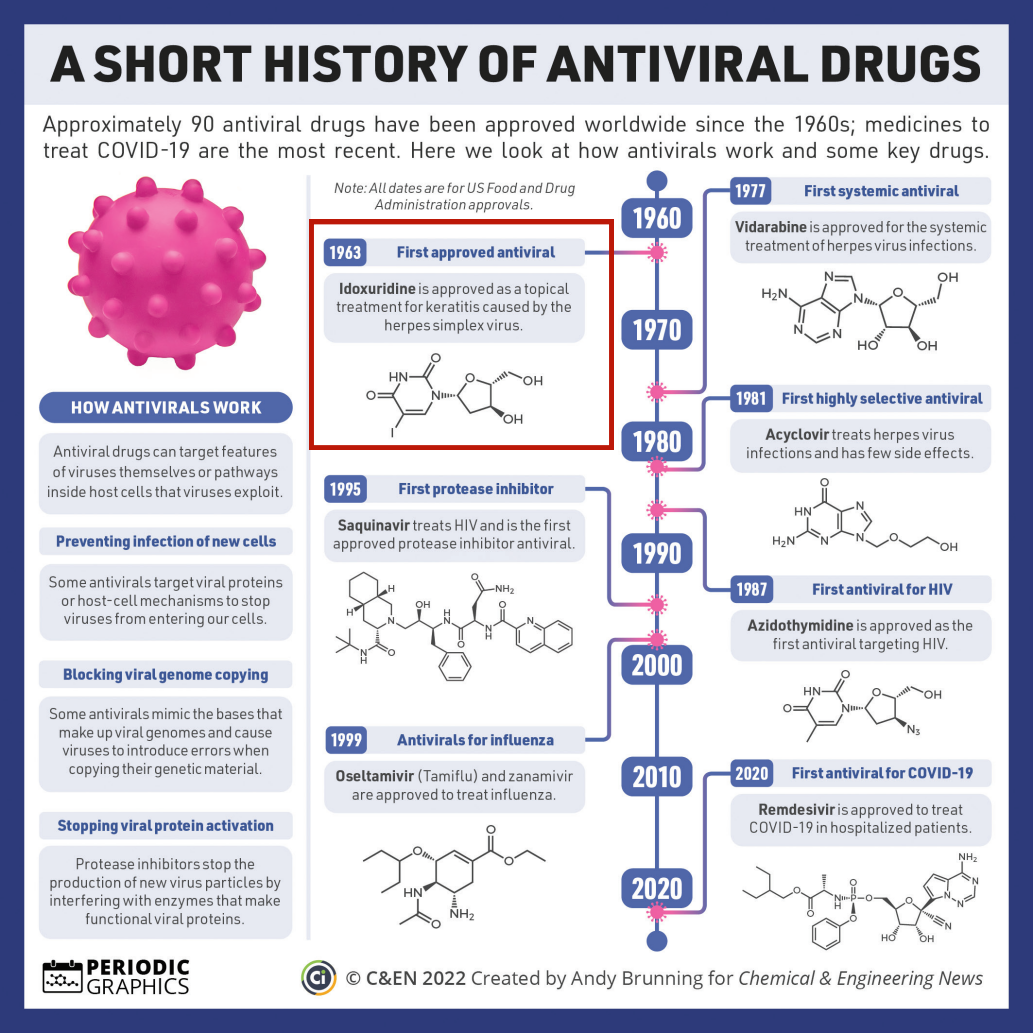
Idoxuridine (IDU), also known as: iodine glycoside, herpes net, iodine deoxyuridine, 5-iodine deoxyuridine, iodine deoxyuridine, is the world's first antiviral drug approved by the FDA. Dr. Bill Prusoff synthesized it in 1959 and was approved in 1963. Since then, it has opened a new era of antiviral drug research and development.
Between 1963 and 2016 alone, more than 90 drugs were approved to treat 9 human infectious diseases, and countless molecules with antiviral efficacy have been reported in the literature.
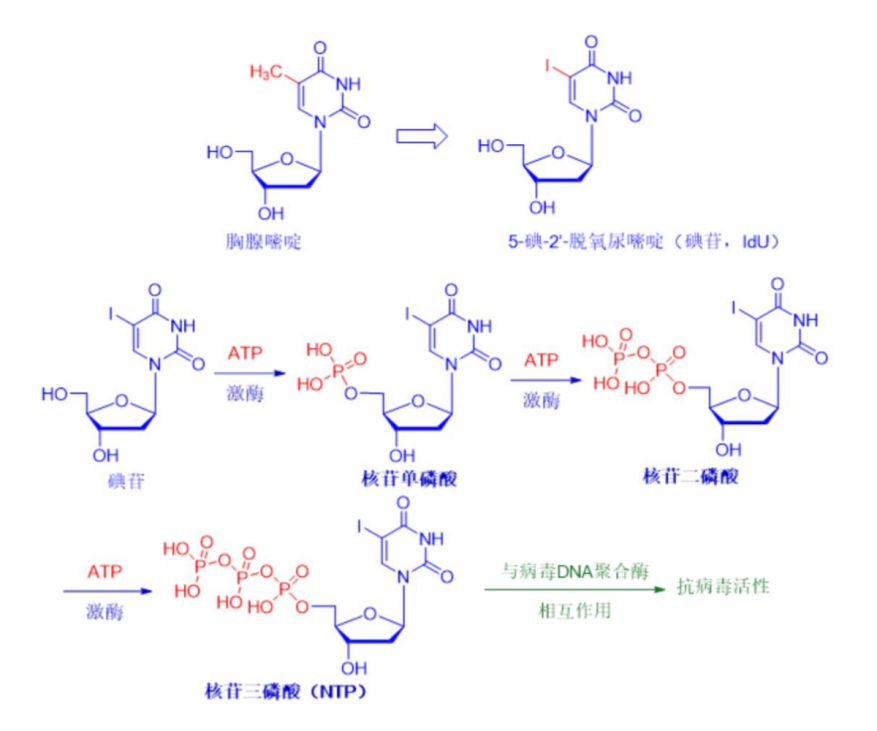
Iodine is an iodinated thymidine analogue that can inhibit the synthesis of thymidine nucleoside in viral DNA by competitively inhibiting thymidylate synthase, especially DNA polymerase, or replace thymidine nucleoside penetration. In the viral DNA, defective DNA is produced, making it lose its infectivity or unable to recombine, causing the virus to stop multiplying or lose its activity and be inhibited.
Iodine glycosides are widely used clinically for eye diseases such as keratitis, other herpetic ophthalmia, viral mucositis, and mucosal damage caused by herpes simplex virus.
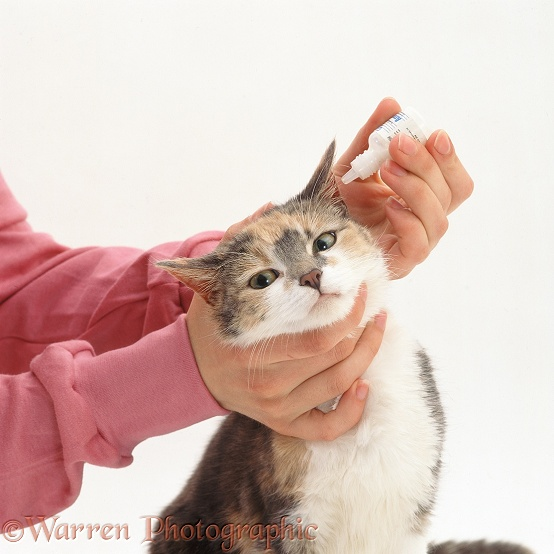
Keratitis and conjunctivitis are common eye diseases in dogs and cats. Various factors may cause the diseases, among which canine herpes virus type 1 (CHV-1) and feline herpes virus type 1 (FHV-1) are the most common.


In eye infections caused by CHV-1 and FHV-1, antiviral treatment is often performed with eye drops or ointments containing iodine glycosides.
Ledbetter published in the American Veterinary Journal "JAVMA" when using iodine glycosides to treat dogs with corneal ulcers caused by CHV-1 and found that after four weeks of using iodine glycosides, the dog's blepharospasm symptoms stopped, the corneal lesions subsided, and the previous ulcer area was no longer visible. Corneal opacity, corneal and conjunctival swab samples from the left eye were collected for virus isolation, and no CHV-1 virus was found [1].
Maggs and other researchers at the University of California, School of Veterinary Medicine, have found that the use of iodine glycosides is effective against FHV-1, which is roughly equivalent to the in vitro efficacy of ganciclovir and about twice that of cidofovir and penciclovir [2].
The antiviral effect of iodine glycosides is significant, but it should be used with caution. Iodine glycosides may cause users to experience light sensitivity, mild itching, swelling, redness, and general irritation. In most cases, these side effects will eventually go away as the body adjusts to the drug and the frequency of dosing is gradually reduced.
Long-term use of iodine glycosides may damage the corneal epithelium and affect ulcer repair, so it should not be used for too long.
If you observe symptoms of discomfort (weakness, fatigue, mouth sores, or fever) or changes in your eyes (cloudiness, spots on the retina, or swelling), you should contact your doctor immediately.
Before using iodine glycosides, there are several precautions for your reference:
· It is prohibited for those allergic to iodine glycosides.
· Use with caution in pregnant or lactating animals.
· Isodine is a powerful antiviral agent that can cause some irritation when applied to the eyes and should be used with caution in situations involving physical damage or eye injury.
· Isodine may interact with other medications, and medications that should be avoided include certain corticosteroids and topical ointments containing boric acid.
· Iodine glycosides may be present in the saliva, urine, or feces of treated cats. Use disposable gloves when handling this medication and handling cat litter, and do not allow treated animals to lick human skin.
I
reference:
[1] Ledbetter EC, Riis RC, Kern TJ, Haley NJ, Schatzberg SJ. Corneal ulceration associated with naturally occurring canine herpesvirus-1 infection in two adult dogs. J Am Vet Med Assoc. 2006 Aug 1;229(3):376-84. doi: 10.2460/javma.229.3.376.
[2] Maggs DJ, Clarke HE. In vitro efficacy of ganciclovir, cidofovir, penciclovir, foscarnet, idoxuridine, and acyclovir against feline herpesvirus type-1. Am J Vet Res. 2004 Apr;65(4):399-403. doi: 10.2460/ajvr.2004.65.399. PMID: 15077679.